Abnormal uterine bleeding: why regular check-ups matter
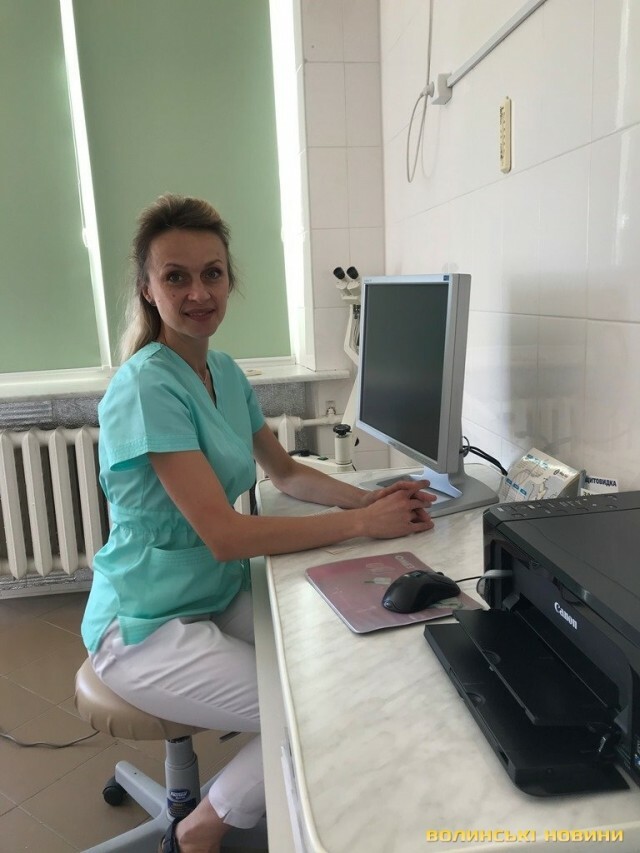
Gynecologist Olena Kropyvska explains that abnormal uterine bleeding may differ in volume, regularity or frequency and can be an early sign of serious gynecologic disease. It may occur in adolescence, reproductive age, perimenopause and after menopause; bleeding after menopause requires particular attention.
The interview distinguishes chronic, acute and heavy bleeding and reviews normal menstrual-cycle parameters. Warning signs include disruption of daily activity, the need to change hygiene products at night, large clots, weakness, shortness of breath and a history of anemia.
Possible causes include polyps, adenomyosis, uterine fibroids, endometrial hyperplasia, coagulation disorders, ovulatory dysfunction, endometrial disorders and medication effects. Diagnosis begins with history and examination and may include cytology, infection testing, blood tests, ultrasound and hysteroscopy with targeted biopsy.
The central recommendation is not to undergo medical examinations merely as a formality. Regular gynecologic visits, honest reporting of symptoms and timely investigation can prevent severe anemia and help detect precancerous or malignant conditions early.